


Cornwall Art Tour – 4 days
Cornwall is a superb choice for an art tour. Our suggested itinerary includes sites such as the Tate St Ives, the St Ives School of Painting and the Lost Gardens of Heligan to offer inspiration but we will tailor make your tour to meet your specific curriculum needs.
Similar tours
Suggested itinerary

Day one
Travel to Cornwall
Day two
Pompeii
Vesuvius
Day three
Capri
Day four
Depart accommodation
Transfer to airport with a stop at Solfatara
Fly back to the UK
Excursion locator map
Excursion gallery


The Lost Gardens of Heligan
Subject range: Cultural, Art
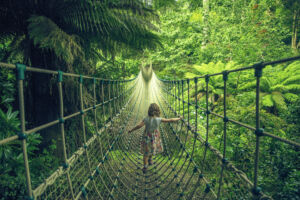
What you’ll experience:In 1990, the Lost Gardens of Heligan became Europe’s largest garden restoration project. Visitors can explore 200 acres of these 400 year-old gardens which are part of the Heligan estate.
Select says:Lorem Ipsum

Pompeii
Subject range: Geography
What you’ll experience: Pompeii is one of the most significant proofs of Roman civilization. The thick layer of volcanic material which submerged it, made up to a large extent of ash and lapilli – non-hard material, unlike that which covered Herculaneum and which solidified into extremely hard stone -has meant that the city has remained intact, not just buildings but also the contents of houses and shops which provide an absolutely fascinating picture of ‘daily’ life.
Select says: The site has minimal shade, so it’s important for students to bring sunscreen, a hat and water.
Solfatara
Subject range: Cultural, Geography
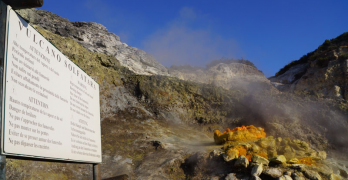
What you’ll experience: Solfatara is a shallow, dormant, volcanic crater at Pozzuoli near Naples. You can smell the sulphur and see steam rising from cracks in the ground. The crater floor has mud pools and fumaroles which vent great blasts of steam.
Select says: Look for the yellow/orange sulphur crystals surrounding the steam vents.
Naples National Archaeological Museum
Subject range: Geography
What you’ll experience: What you’ll see: The most important archaeological museum in Italy, containing many interesting finds from Pompeii, Stabiae and Herculaneum, doomed cities after the eruption of Mount Vesuvius in 79AD. There are incredibly well preserved pieces of art such as the mosaics, frescoes and sculptures from the sites, but you will also be able to see some amazing ancient Egyptian and Greek artefacts.
Select says: In about 1543 when Pompeii was first discovered, it began to be heavily looted. The Pope arranged for items to be removed and today many of these items are on display here.
Capri
Subject range: Cultural, Geography
What you’ll experience: Capri is an island with great natural beauty, located in the Tyrrhenian Sea. A boat trip around Capri will allow a close up view of the cliffs, caves and fissures of the coastline or it is possible to take a minibus tour of the island which will take you from Capri town to Anacapri.
Select says: A visit by boat to the Blue Grotto sea cave is also possible – there, sunlight passes through an underwater cavity and shines through the water creating a stunning illuminating blue reflection.
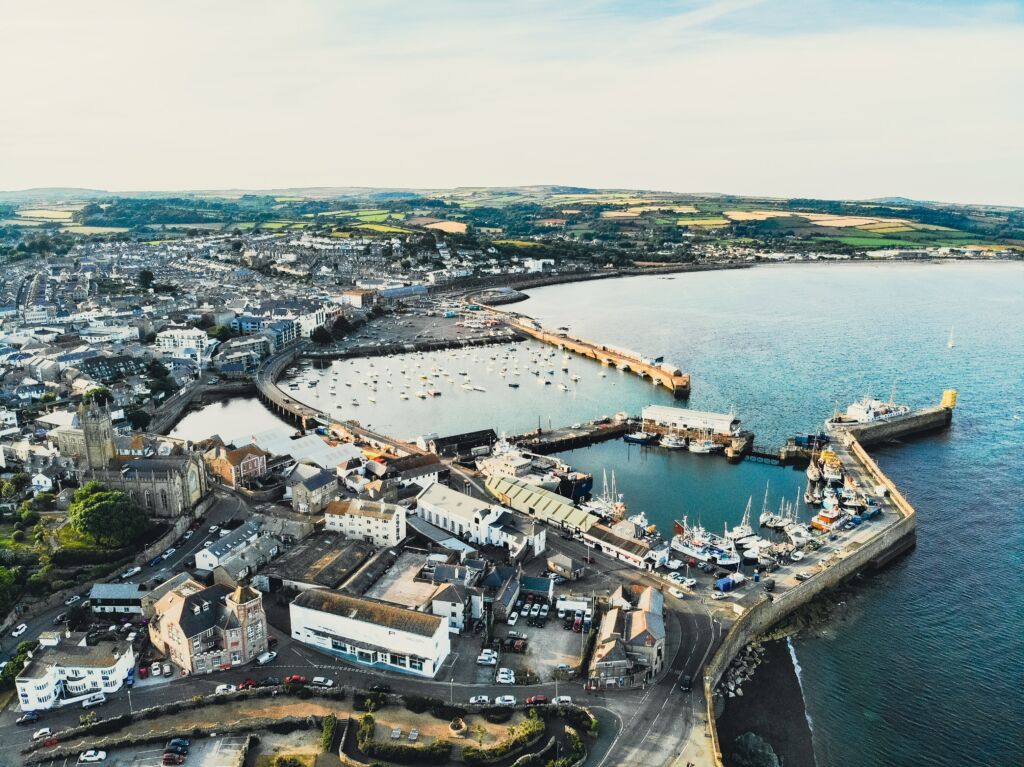
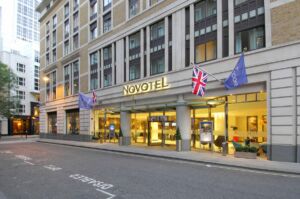
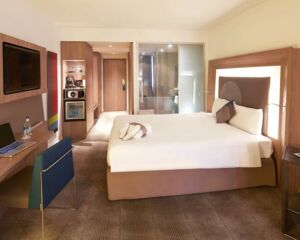
Hotel Cornwall

Learning areas:
Why not link your cultural tour to your school PSHE planning? Areas covered could include: gaining self-confidence and independence; working together and making new friends; trying new activities; enjoy healthy, safe, responsible and fulfilled lives; recognising and managing risks; take increasing responsibility for themselves.
For KS3 develop contextual knowledge of the location of globally significant places – both terrestrial and marine – including their defining physical and human characteristics and how these provide a geographical context for understanding the actions of processes; understand the processes that give rise to key physical and human geographical features of the world, how these are interdependent and how they bring about spatial variation and change over time; collect, analyse and communicate with a range of data gathered through experiences of fieldwork that deepen their understanding of geographical processes.
For KS4 – recognition of important links and inter-relationships between places and environments; more detailed contextual knowledge of two countries of contemporary global significance; Human and physical geography: understand, through the use of detailed place-based exemplars at a variety of scales, the key processes in: physical geography relating to: geological timescales and plate tectonics; rocks, weathering and soils; weather and climate, including the change in climate from the Ice Age to the present; and glaciation, hydrology and coasts.
Select Extras:
Some excellent short resources: